
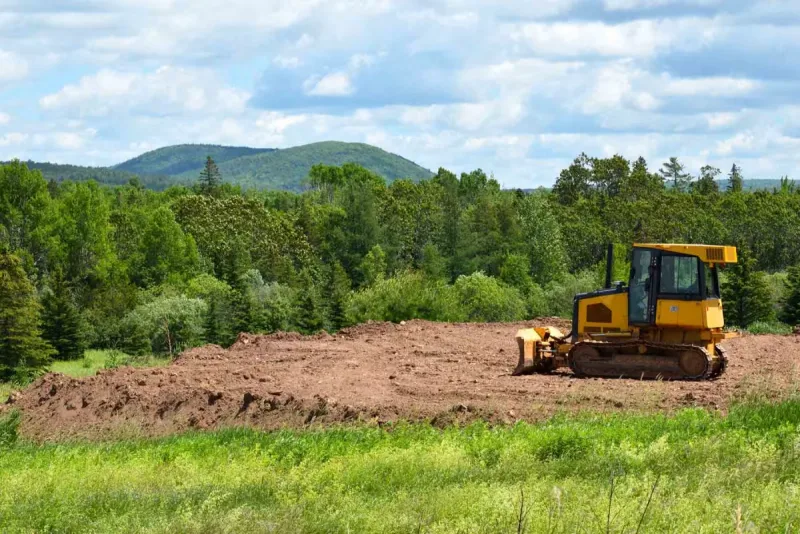
Land Clearing & Reclamation
Brush, trees, and years of overgrowth cleared and reclaimed — turning unusable acreage back into open, accessible ground that is worth more.
Learn More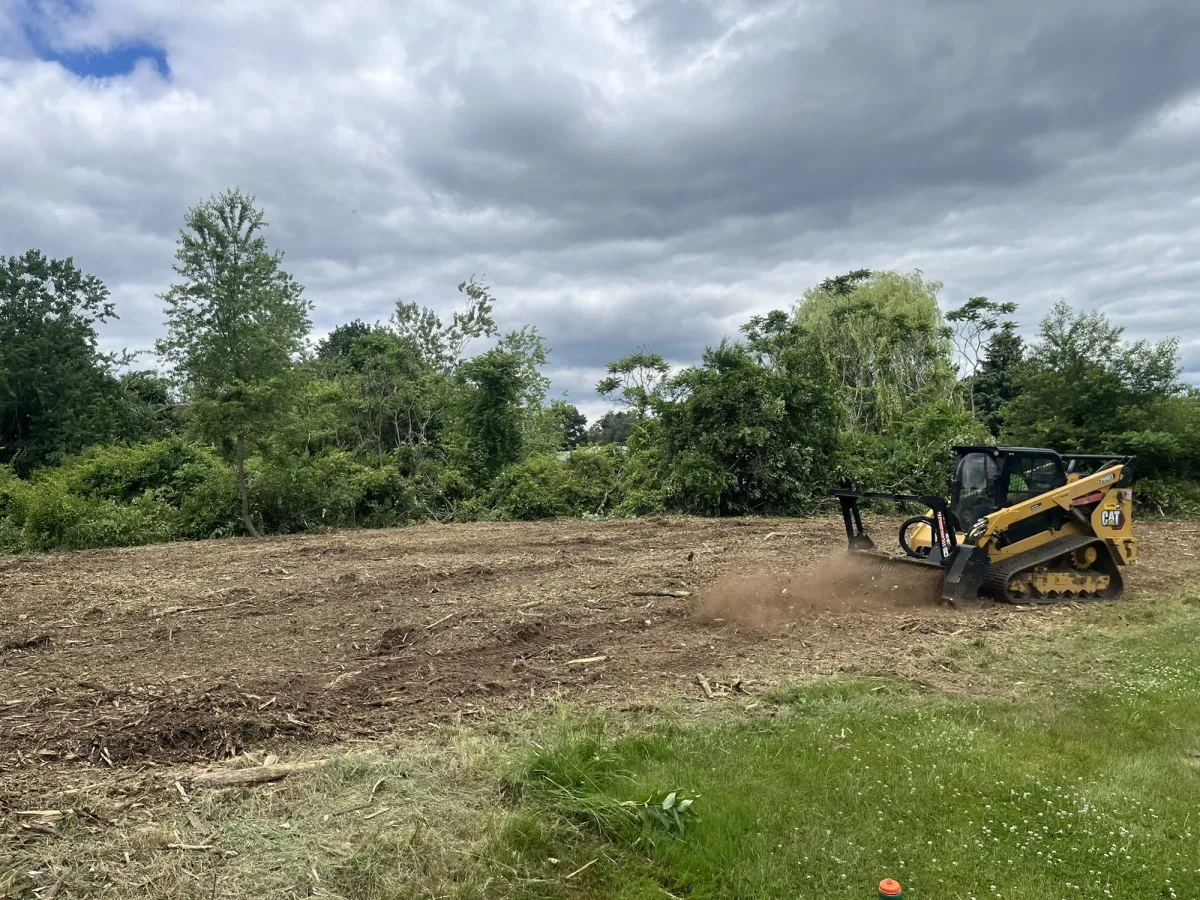
When you need land clearing in Columbia, you are working both sides of the Ouachita River at once. Columbia is the Caldwell Parish seat, a town of a few hundred people on the southwest bank where US 165 bridges the river, thirty two miles south of Monroe. The river splits the parish: pine hills cut by Castor Creek and Bayou de Chene to the west, flat backswamp clay to the east all the way to the Boeuf River. Cotton left this landing by steamboat for the better part of a century, the 1927 flood came through town before there was a levee, and today Main Street meets the river at a levee-top boardwalk. Big Cypress Land and Game works out of Rayville, about fifty one miles and about an hour by road, and we treat most tracts around Columbia as part of our home range.
Owner Mike Martien is a nationally recognized land specialist and an FAA Part 107 drone pilot, and Caldwell Parish hands him two different jobs to read. West of the river the ground is Olla fine sandy loam, with Ruston, Smithdale, Cadeville, and Savannah soils beside it. The Olla series was established from a roadside spot on LA 4 less than two miles west of the US 165 junction, right outside town: well drained loam on narrow ridgetops and steep side slopes that grows loblolly and shortleaf pine, sweetgum, southern red oak, and hickory as soon as a tract sits idle. Across the river toward Hebert and the Boeuf bottoms it is Alligator and Perry clay, gumbo that floods in winter and spring and cracks open in a dry August, and willow oak, overcup oak, swamp privet, and rattan take any old field left alone. From Banks Springs, Grayson, and Clarks south of town to Riverton up by the lock and dam, we clear it and put it back to work. Call (318) 235-7597.
Overgrown ground around Columbia comes in two kinds. In the hills on the west bank, from Clarks and Kelly across to Copenhagen and out along Castor Creek, the regrowth is pine and hardwood. Loblolly and shortleaf pine come back thick, sweetgum and southern red oak fill in behind them, and holly and dogwood close the understory. Clarks grew up around a sawmill that ran from 1902 to 1953, and timber still pays bills in this parish. East of the river, around Hebert and down through the Bayou Lafourche and Boeuf River flats, the brush is bottomland. Willow oak and sweetgum hold the higher ground, overcup oak and bitter pecan take the low spots, and swamp privet, deciduous holly, rattan, and greenbriar tie it together. Old fields go back to woods fast.
Forestry mulching is the first tool on both. In the hills the mulcher works side slopes a dozer blade would open to washing, grinds pine and sweetgum regrowth where it stands, and leaves the chips on the surface so the loam stays put. We clear selectively too, and take sweetgum and privet out from under the oaks you want for deer. When a tract needs bare, plantable dirt for a pad or a road, dozer and grubbing work comes in behind the mulcher, and stumps get ground below grade. On the Boeuf side the calendar matters as much as the brush. The state's own timber prescriptions for Boeuf WMA bar harvest during wet periods and flag rutting in low ground, and we run private clay by the same rule, because a machine on wet Alligator clay leaves ruts that outlast the job.
Columbia sits about ninety eight feet above sea level, and two miles south at Banks Springs the ground is already at two hundred feet, so the west side has real fall. Olla loam sheds water fast, and every hollow in these hills carries a named branch, Hurricane Creek, Sweetwater Creek, Bull Creek, Bayou de Chene. Cadeville soils on the slightly higher spots carry a clay subsoil that passes water very slowly, so one hillside can shed at the top and puddle halfway down. Cross the river and the fall is gone. Perry clay is sixty to eighty five percent clay, and Alligator clay opens cracks an inch or two wide and two or three feet deep by late summer, swells shut with the first rain, and floods off the Boeuf and Bayou Lafourche most winters. The Hebert silt loam on the natural levee ridges is the ground the soil survey lists for cotton, soybeans, and corn.
Roads and pads follow the soil. In the hills a camp road needs ditches and culverts that carry runoff off the grade, or the first gully washer moves the gravel to the bottom of the hollow. On the clay side a gravel drive needs a shaped, compacted base and enough stone to ride on top of the gumbo, and a house or camp pad wants to be built up above the winter backwater. We build roads and pads that hold. Ponds flip the logic. Well drained Olla loam will not hold water on its own, so a hill pond needs a keyed, compacted core and not just a pushed-up dam. East of the river the ground is the liner. Shaped and compacted Perry or Alligator clay makes a bottom that will not leak, and we tie duck holes and stock ponds into the existing drainage so they fill on schedule and do not fight the bayou.
Caldwell Parish hunts hard on both banks. Boeuf WMA starts about ten miles southeast of Columbia, 51,110 acres of bottomland hardwood, cypress brakes, and reforested farmland in Caldwell and Catahoula parishes, with forty seven miles of Boeuf River frontage, twenty six lakes, and an 1,800 acre greentree reservoir flooded for ducks. Deer, waterfowl, squirrel, rabbit, and woodcock are the main game, wild turkeys and feral hogs use the ground that stays dry, and the state's foresters note potential Louisiana black bear dens throughout the compartments. Russell Sage WMA, 38,208 acres of the same bottomland, reaches into the north end of the parish. Up at Riverton, seven miles upstream of town, the Columbia Lock and Dam recreation area holds two green-tree waterfowl reservoirs. West of the river the hunting moves into pine and hardwood hills along Castor Creek, and private tracts on either side carry the same timber and the same animals.
We set hunting land up so it hunts. On the east side that means food plots worked into the Hebert silt loam ridges, the driest ground over there, shooting lanes pulled through willow oak and overcup timber, and stand and camp access built up to stay passable when the Boeuf comes up in winter. In the hills it means plots on the ridgetops and benches, lanes cut down the side slopes, and roads that shed water rather than hold it. Mike maps the tract by drone first under his FAA Part 107 certificate, so canopy gaps, water, and deer travel corridors show on a map before the first machine unloads, and plots go where the deer already walk. On the clay we schedule dirt work by soil moisture, not by the calendar, because a rut cut into wet Perry clay is there for years.
Communities & areas we serve around Columbia: Downtown Columbia, Banks Springs, Grayson, Clarks, Riverton, Copenhagen, Kelly, Hebert, Corey, Holum.
Columbia ZIP codes served: 71418, 71415, 71435, 71441.
Free, no-obligation estimates throughout Caldwell Parish and across Northeast Louisiana.
(318) 235-7597 Brush, trees, and years of overgrowth cleared and reclaimed — turning unusable acreage back into open, accessible ground that is worth more.
Learn More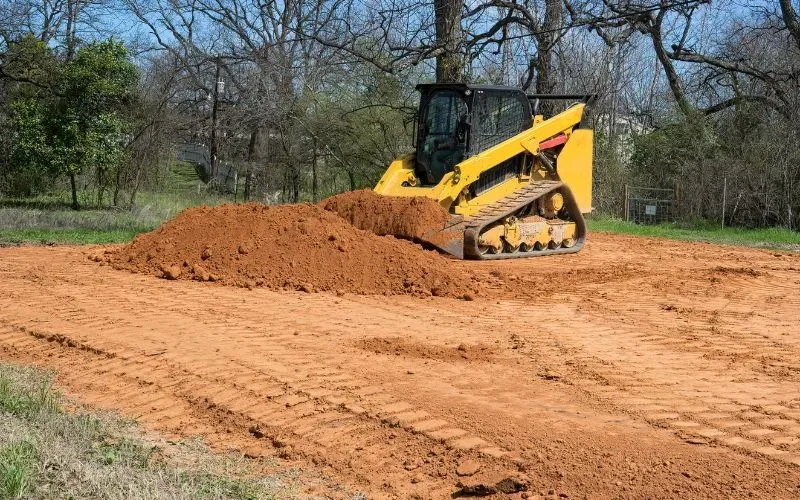
Building pads, grading, leveling, and drainage shaping — stable, well-drained ground ready for construction, agriculture, or recreation.
Learn More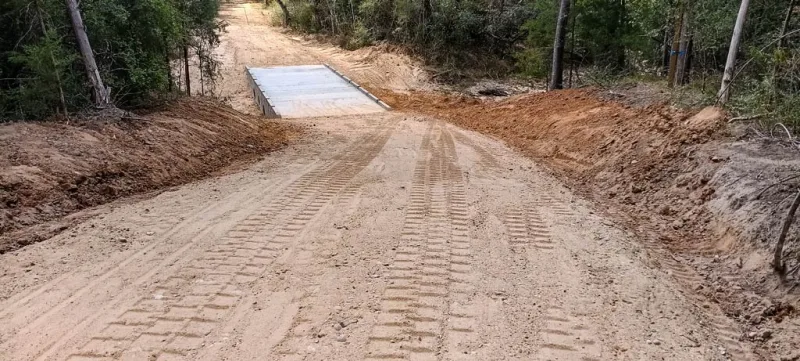
Access roads, gravel driveways, interior trails, and culvert crossings — all-weather access that makes your land usable and more valuable.
Learn More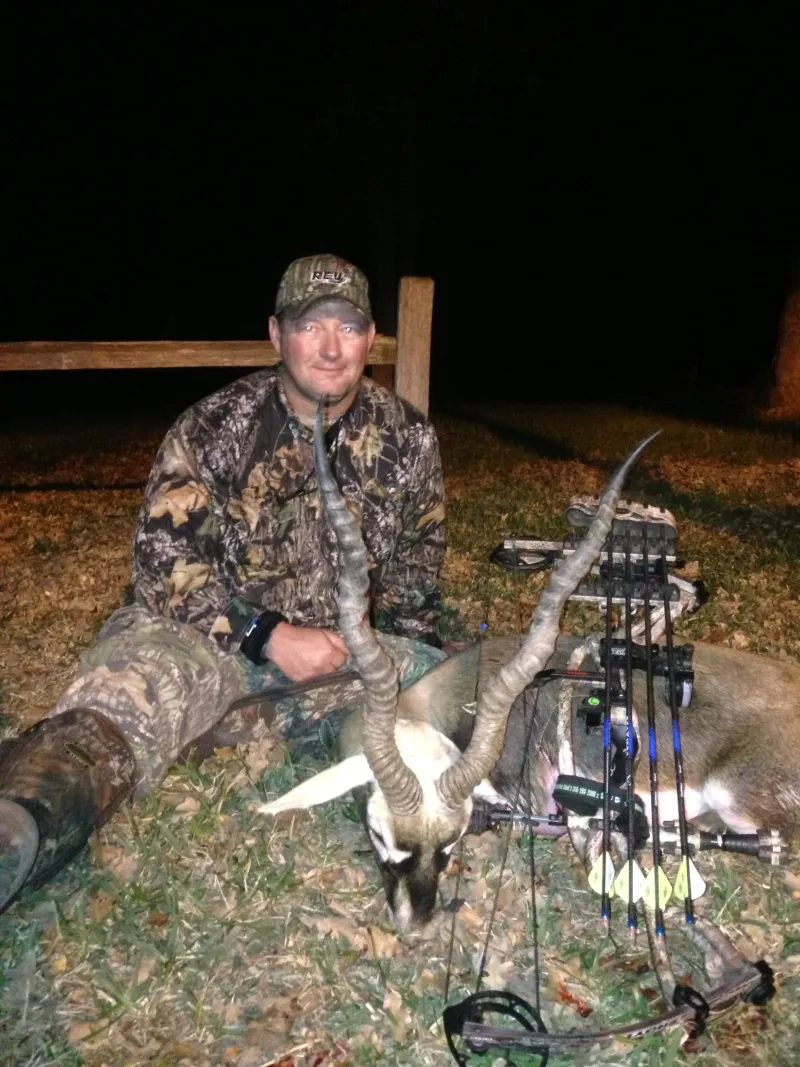
Food plots, shooting lanes, trail systems, and habitat improvements designed to hold deer and grow healthier game — by a landowner who hunts his own work.
Learn More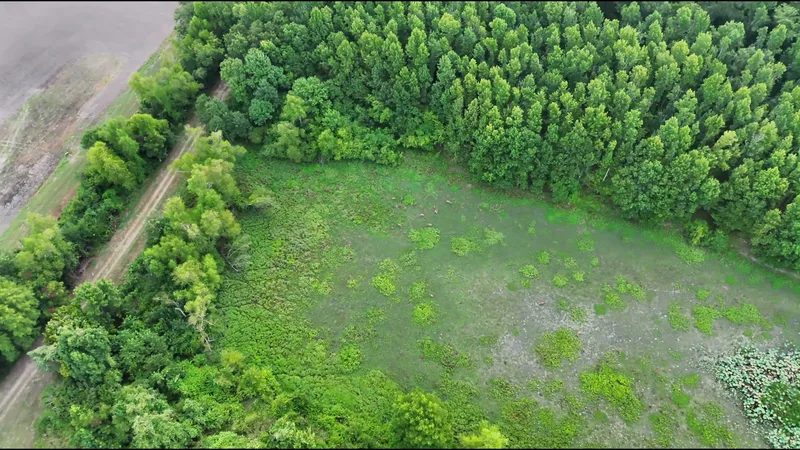
FAA-certified aerial imagery, property mapping, and drone-based deer herd assessments — a clearer view of your land for planning, marketing, and management.
Learn More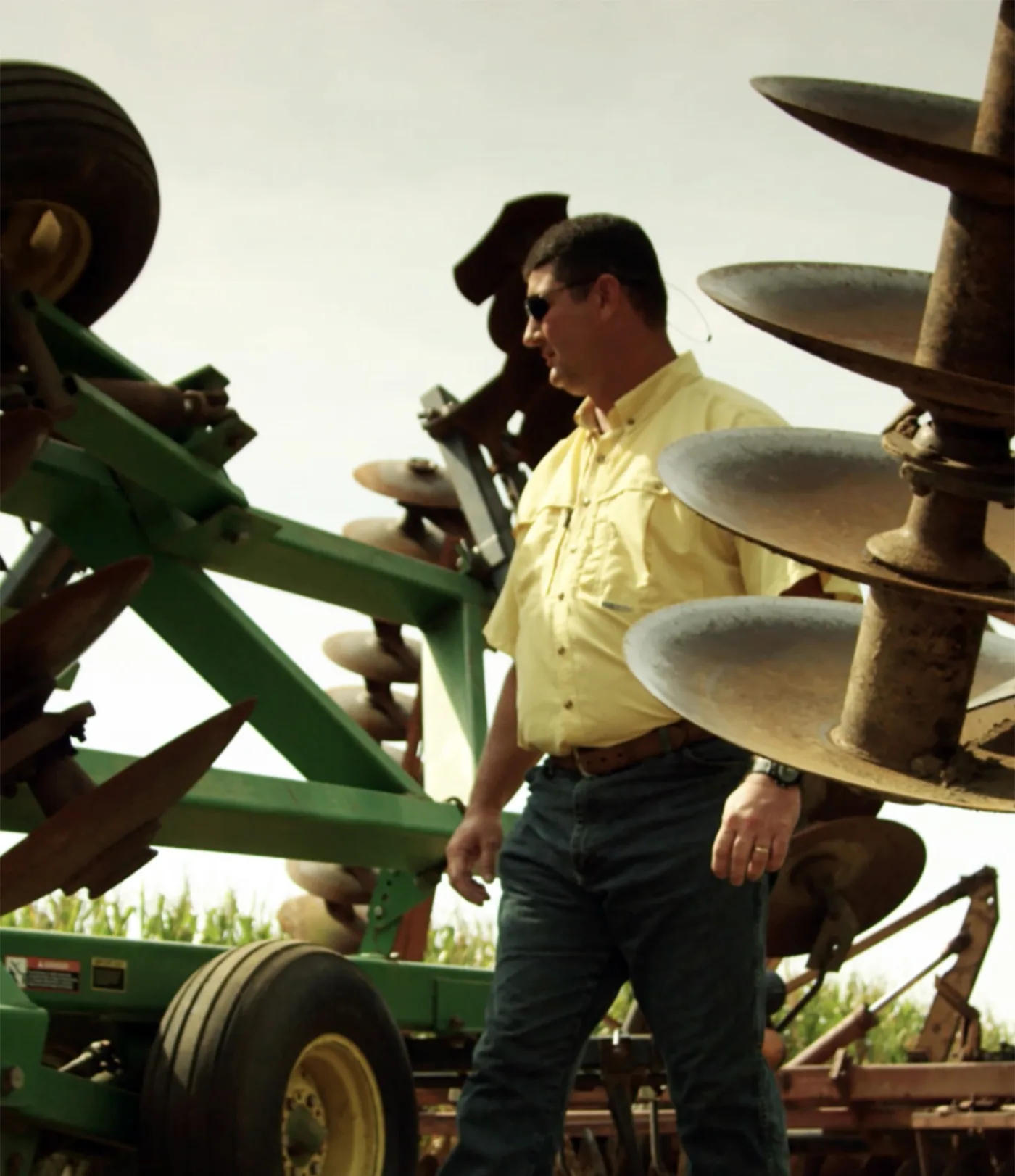
What makes Big Cypress different: every project is guided by a nationally recognized land specialist with America’s Land Partners — so your improvements are planned around usability, enjoyment, and long-term value.
Meet MikeReal words from clients who’ve trusted Mike with their land as a land specialist with America’s Land Partners — the same care and work ethic he brings to every Big Cypress project.
“Mike Martien secured my real estate sale through very difficult circumstances. He went above and beyond what would be expected of any agent. Anyone would be in the best of hands letting Mike work for you and with you.”
“We’ve known Mike for over 30 years. His work ethic and knowledge are exceptional. He’s passionate about helping others, trustworthy, and puts his client’s needs first. We highly recommend him to anyone working with land.”
“Mike has lifelong experience dealing with land management and development. His experience shows in researching current trends and values. For the most appropriate valuations and ease of sales, he can’t be beat.”
“With an excessive amount of hurdles and more problems than anyone could imagine, he never slowed down or got discouraged. If anyone needs someone that is all about your best interest, this is the one to call.”
“He’s beyond knowledgeable about whatever it takes to get a land deal worked out — even the tax side. He did a whole lot of legwork to get it done. Thanks again Mike, appreciate it more than you know.”
“His commitment to his customer and to the detail of the task at hand is unrivalled. I suggest for anyone selling or buying any land to use him. You won’t be disappointed.”
A few of the questions we hear most around Columbia. Don’t see yours? Call us — we’re happy to help.
Ready to improve, enjoy, or get more value out of your land in Northeast Louisiana? Reach out for a free, no-obligation consultation — and put a fellow landowner’s experience to work on your property. Buying or selling? Mike wears that hat too, as a land specialist with America’s Land Partners.